The Timeless Beauty of Wood
Restoration and creation of bespoke utility and decorative objects
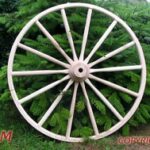
Fragments of History
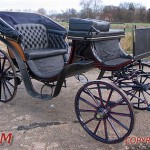
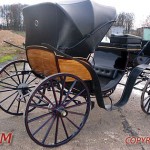
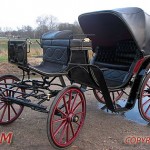
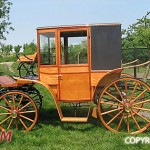
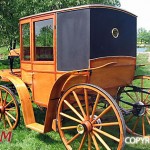
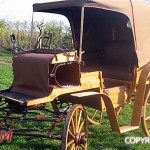
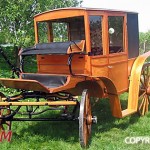
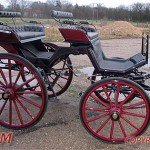
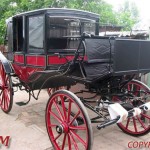
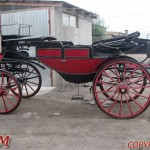
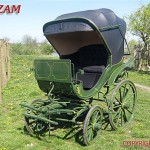
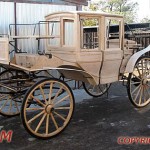
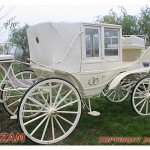
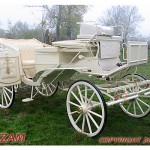
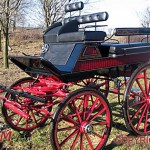
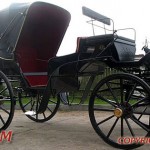
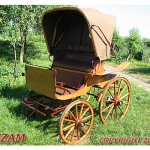
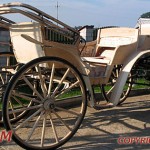
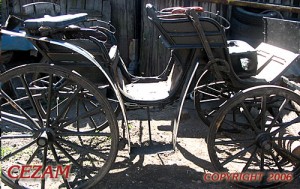
As early as the 18th century, horse-drawn vehicles were divided into two distinct classes. The first consisted of prestigious enclosed carriages, such as the elegant coaches, “Berlines” and the intimate vis-à-vis. The second group comprised open vehicles, commonly referred to as carriages. Among them, the most popular were the calash, landau, and phaeton, along with the briefly fashionable, lightweight two-wheeled whisky imported from abroad.
Each vehicle possessed a unique character. While the landau served as an elegant four-seater for city travel in unpredictable weather, the two-seater coupé (known in France as the diligence) was a true status symbol – one of which was owned by Prince Józef Poniatowski himself. It is to him that we also owe the popularization of cabriolets in Poland.
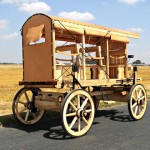
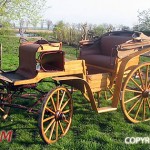
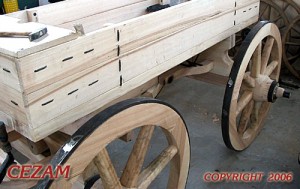
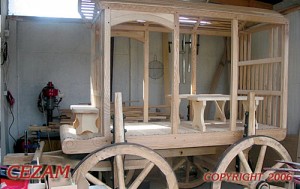
However, the true phenomenon was the native Polish bryczka. This versatile, typically four-wheeled carriage saw countless variations, perfectly adapted to local conditions and regional needs. The Polish bryczka dominated the landscape until the early 20th century, when the thriving carriage industry was abruptly halted by the outbreak of World War I.